

I’m excited to start a micro-learning podcast that delivers bite-sized educational content. This format is popular because it gives learners short, easy-to-understand pieces of information.
Micro-learning is becoming more popular among educators and learners. It makes learning more engaging and helps break down complex topics into simpler ones.
Key Takeaways
- Micro-learning podcasts offer a convenient way to consume educational content.
- Bite-sized education enhances learner engagement and retention.
- Creating a micro-learning podcast requires careful planning and execution.
- The format is ideal for covering complex topics in a simplified manner.
- Micro-learning is an attractive option for both educators and learners.
What Makes the Micro-Learning Podcast Niche Special
Micro-learning podcasts offer quick, easy-to-digest lessons. This unique way of learning is becoming more popular. It’s important to understand what makes it effective.
Defining Micro-Learning in the Podcasting Context
Micro-learning podcasts give you short, easy-to-understand lessons. They’re perfect for people with busy lives. You can learn a lot in just a few minutes.
The Psychology Behind Bite-Sized Learning
Bite-sized learning fits today’s fast-paced world. It keeps lessons short to keep your attention. Short-form content is great because it offers quick tips without feeling too much.
Current Trends in Educational Short-Form Content
People love short educational content now. They want to learn on the go. Micro-learning podcasts are a hit because of this.
Statistics on Listener Engagement with Short Episodes
Research shows listeners enjoy short episodes more. A survey found over 70% of listeners like podcasts under 30 minutes. This shows micro-learning can really engage people.
Benefits of Creating Bite-Sized Educational Content
Breaking down complex information into smaller pieces has many benefits. It makes learning easier and more effective. Learners can understand and remember information better.
Meeting Modern Attention Span Challenges
Today, people’s attention spans are shorter than ever. Bite-sized content meets this need. It offers quick, easy-to-understand information that fits into busy lives.
Enhancing Information Retention Through Focused Content
Focused content helps learners focus on important ideas. It doesn’t overwhelm them. This way, learners can remember information more easily.
Fitting Seamlessly Into Listeners’ Daily Routines
Bite-sized content can be added to daily routines. It’s perfect for commutes or breaks. This makes learning easy and convenient.
| Benefits | Description |
|---|---|
| Improved Retention | Focused content enhances knowledge retention. |
| Increased Accessibility | Bite-sized content fits into busy lifestyles. |
| Enhanced Engagement | Concise information keeps learners engaged. |
Identifying Your Perfect Educational Micro-Niche
The first step in creating a micro-learning podcast is to find your ideal educational niche. This means reflecting on yourself, researching the market, and looking at what others are doing. You want a niche that makes you happy and can make money.
Conducting a Personal Expertise Inventory
Start by listing your areas of expertise. Think about your job, hobbies, and any special knowledge you have. Find topics you love and know a lot about. This will help you choose a niche that feels right and will interest your listeners.
Researching Underserved Topics with High Demand
Then, find out if people want what you know. Use Google Trends and keyword tools to find topics that are in demand but not too crowded. This is key to knowing if there’s an audience for your podcast.
Competitive Analysis of Existing Educational Podcasts
Look at other educational podcasts to see what’s out there. Find out what they miss or don’t cover well. Make a list of how your podcast can be different.
Tools for Audience Research and Validation
Use tools to check if your niche is good. Here’s a look at some popular ones:
| Tool | Purpose | Cost |
|---|---|---|
| Google Trends | Trend analysis | Free |
| SurveyMonkey | Audience surveys | Paid |
| Keyword Planner | Keyword research | Free |
By following these steps and using the right tools, you can find a great niche for your micro-learning podcast.
Designing Your Micro-Learning Podcast Format
Creating a good format for your micro-learning podcast is key. It makes sure your bite-sized education hits home with your listeners. A well-thought-out format keeps your content both fun and full of information.
Finding the Sweet Spot for Episode Duration
For a micro-learning podcast, the best episode length is 10 to 20 minutes. This lets you dive deep into a topic without feeling too long. Keeping the same length each time helps your listeners know what to expect.
Developing a Repeatable Episode Structure
Having a consistent episode structure makes creating content easier and keeps your listeners interested. It might include an intro, the main part, and a wrap-up.
Creating Effective Hooks and Closings
Good hooks grab your attention right away. Strong closings make a lasting impact. You can use questions, stories, or hints about what’s coming next.
Sample Templates for Different Educational Styles
Different teaching styles need their own templates. For example, a story-based style might focus on tales, while a direct teaching style might give clear instructions. Creating templates that match your teaching style can make learning better.
Setting Up Your Recording Studio on Any Budget
Starting a podcast doesn’t need a lot of money for equipment. Here are some quick tips to help you begin. You can make a professional-sounding podcast on a budget with the right gear and software.
Essential vs. Nice-to-Have Equipment
When setting up your studio, know what you really need. You’ll need a good microphone and headphones. Nice-to-haves are extra microphones or advanced audio interfaces.
Software Solutions for Recording and Editing
You’ll need software for recording and editing. Audacity is free and easy to use. Adobe Audition offers more features for advanced users.
DIY Acoustic Treatment for Clean Audio
To get clean audio, try DIY acoustic treatment. Use acoustic panels or hang thick blankets to cut down echo.
Writing Scripts That Deliver Maximum Value Quickly
To grab listeners’ attention, micro-learning podcast scripts need to pack a punch. They must be short and to the point. This means knowing how to share complex ideas in a few sentences.
The 3-Part Structure for Educational Micro-Episodes
A good script is key for a hit micro-learning podcast. I suggest a 3-part structure for your episodes:
- Introduction: Catch the listener’s eye and introduce the topic.
- Main Content: Share the main info clearly and briefly.
- Conclusion: Recap the main points and tell listeners what to do next.
Language Techniques for Clarity and Engagement
Choosing the right words can make your script hit home. Try these tips:
- Stick to simple, easy-to-understand language.
- Add stories to make the info more relatable.
- Highlight important points with repetition and rhetorical devices.
Balancing Information Density with Accessibility
It’s important to share complex info without overwhelming listeners. Here’s how:
- Break down big topics into smaller bits.
- Use analogies and examples to explain tough ideas.
- Keep explanations clear and avoid hard-to-understand terms.
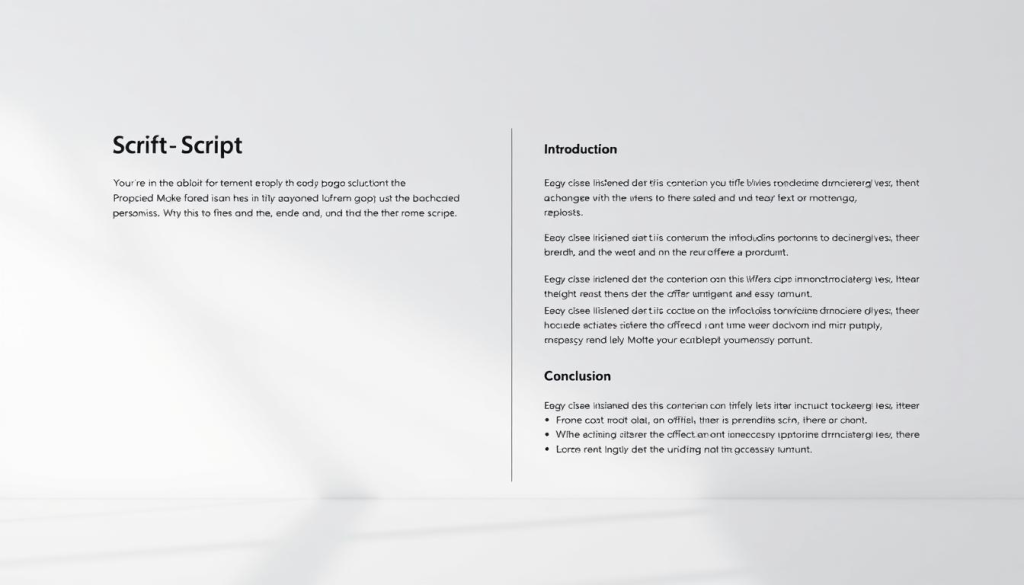
Script Templates You Can Adapt
Using templates can simplify the scripting process. Here’s a basic one to start with:
Production Techniques Specific to Micro-Learning Podcasts
The success of a micro-learning podcast depends on its production. It needs to be short and engaging. To achieve this, specific techniques are essential.
Recording Practices for Concise Delivery
When recording, it’s important to stay on track. Scripting your episodes helps you cover all key points in time. This keeps your pace steady and keeps listeners interested.
Editing Strategies to Eliminate Fluff
Editing is crucial. Use software to cut out unnecessary parts. This makes your episode flow better and keeps listeners engaged.
Using Sound Design to Enhance Learning
Sound design makes learning more immersive. Adding sound effects and music can make your content more engaging. For example, sound effects can highlight important points.
Time-Saving Production Workflows
To make production faster, use efficient workflows. Batch recording can help you make several episodes at once. Using episode templates also saves time during editing.
By using these techniques, you can make high-quality micro-learning podcasts. Focus, be concise, and use sound design to improve the learning experience.
Building a Content Calendar for Sustainable Growth
Planning your episodes in advance with a content calendar can greatly improve your micro-learning podcast’s success. A well-organized calendar helps keep your podcast consistent. It also reduces last-minute scrambles and ensures your content meets your educational goals.
Batch Production Methods That Save Time
Using batch production methods is a smart strategy. By recording multiple episodes at once, you save time and keep a steady output. This method helps you:
- Reduce the pressure of weekly recording sessions
- Improve the quality of your episodes by focusing on content creation
- Boost your productivity by cutting down on setup and teardown time
Planning Content Series and Learning Pathways
Creating a cohesive educational journey for your listeners is essential. Plan your content series and learning pathways to ensure your episodes are logical and valuable. Consider these steps:
- Identify the core topics you want to cover
- Break down complex subjects into manageable chunks
- Develop a narrative thread that ties your episodes together
Managing the Content Pipeline Without Burnout
Effective management of your content pipeline is crucial to avoid burnout. By planning ahead, batching production, and keeping a flexible calendar, you can maintain a steady output without exhausting yourself. The aim is to create a sustainable micro-learning podcast that continues to educate and engage your audience.
Selecting the Ideal Hosting and Distribution Strategy
Choosing the right hosting and distribution strategy is key for bite-sized education delivery. There are many options out there. It’s important to pick a hosting platform that meets educators’ needs and ensures easy distribution on major apps.
Comparing Podcast Hosting Platforms for Educators
When picking a podcast hosting platform, look at storage, bandwidth, and support. Here are some top choices:
- Libsyn
- Buzzsprout
- Podbean
| Platform | Storage | Bandwidth | Customer Support |
|---|---|---|---|
| Libsyn | 50 MB to 800 MB | Unlimited | 24/7 Support |
| Buzzsprout | 100 MB to 8 GB | Unlimited | Email Support |
| Podbean | 5 GB to 10 GB | Unlimited | 24/7 Support |
Optimizing for Discovery on Major Listening Apps
To get more visibility, make your podcast easy to find on Apple Podcasts and Spotify. Use the right keywords, create catchy cover art, and write engaging descriptions.
Leveraging RSS Feeds for Maximum Reach
RSS feeds are still a big deal for podcasts. Make sure your hosting gives you a reliable RSS feed. Also, think about adding your podcast to places like Podcast Addict and Castbox.
Marketing Strategies Tailored for Educational Micro-Content
To stand out in the educational podcast world, you need special marketing plans. As a creator of micro-learning podcasts, focus on what makes your short content unique.
Crafting Titles and Descriptions That Drive Clicks
Your podcast’s title and description are key to grabbing listeners’ attention. They should be catchy and show the value of your quick tips. Use words that encourage action and include important keywords to help people find you.
Repurposing Podcast Content for Social Media
Sharing your podcast on social media can help you reach more people. Turn your episodes into smaller pieces like infographics or short videos. Share them on Instagram, Twitter, or Facebook.
Building Partnerships with Complementary Educators
Working with other educators or influencers can open new doors. Think about guest spots, joint episodes, or webinars. This not only grows your audience but also makes your content more valuable.
Email Marketing Techniques for Audience Retention
To keep your listeners interested, use good email marketing. Send out newsletters with episode summaries, exclusive tips, or behind-the-scenes looks. Make your emails personal to build a stronger bond with your audience.
With these strategies, you can market your micro-learning podcast well. This will help you attract a dedicated group of listeners.
Monetizing Your Educational Expertise
As a creator of educational snippets, making money from your knowledge is key. It’s important to find a way that makes money without losing the value of your education. This means finding a balance between earning and keeping your content true to its purpose.
Attracting Sponsors Aligned with Educational Values
One good way to make money is by finding sponsors who believe in what you teach. Look for brands that match your values and reach your audience. This way, their message fits with yours, helping your mission.
Key considerations for sponsor alignment include:
- Relevance of the sponsor’s product or service to your audience
- Alignment of the sponsor’s values with your educational content
- Potential for long-term partnership
Developing Premium Content Extensions
Another way to earn is by offering more in-depth content. This could be detailed guides, webinars, or online courses. These extras give your audience more value.
Examples of premium content extensions:
- Detailed eBooks on topics related to your educational snippets
- Exclusive webinars or live sessions
- Subscription-based access to advanced educational resources
Creating a Community-Based Revenue Model
Building a community around your content can also bring in money. You can do this with membership sites, forums, or social media groups. Here, learners can connect and get special content.
Case Studies of Successful Micro-Learning Monetization
Many educators have made money from their micro-learning content. For example, a language podcast started selling premium audio lessons. This move greatly increased their earnings.
| Monetization Strategy | Revenue Impact | Audience Engagement |
|---|---|---|
| Sponsorship Alignment | 25% increase | Improved brand loyalty |
| Premium Content | 40% increase | Enhanced learner satisfaction |
| Community-Based | 30% increase | Stronger community bonds |
Conclusion: Launching Your Micro-Learning Podcast Journey
Starting your micro-learning podcast is a big step. It means you’re ready to share valuable, short lessons with your audience. By picking a specific topic and making your episodes fun, you can build a podcast that people love.
A good micro-learning podcast fits today’s fast-paced world. It gives important information in a short, easy-to-follow way. With the right tools and marketing, you can share your knowledge with more people and change lives.
Use the advice from this article to start your podcast journey. This will help you create a top-notch podcast. Your listeners will thank you for the quick, useful lessons you share.