
As a podcaster, you’re always searching for ways to monetize your content. Selling digital products directly to your listeners is a great strategy. You can create ebooks, guides, and templates that fit your podcast’s niche. This not only brings in extra money but also strengthens your bond with your audience.
Offering high-quality digital products can really boost your podcast’s reputation. It also draws in new listeners. By using your podcast as a sales platform, you can connect with people who are already interested in your topic.
Key Takeaways
- Selling digital products can be a lucrative podcast monetization strategy.
- Create products that are relevant to your podcast’s niche.
- Use your podcast to promote your digital products and reach a targeted audience.
- High-quality products can enhance your credibility and attract new listeners.
- Direct sales allow you to maintain control over the sales process and customer relationship.
Why Digital Products Are Perfect for Podcast Monetization
Podcasters are now using digital products to make more money and connect better with their listeners. This move is because podcasts and digital products go well together. They can make each other stronger.
The Natural Connection Between Podcasts and Digital Products
Podcasts and digital products both give deep content to their fans. Digital items like ebooks and guides can dive deeper into podcast topics. This gives listeners a richer learning experience.
Benefits of Selling Digital Products vs. Traditional Sponsorships
Selling digital products has big pluses over old-school sponsorships. It lets podcasters keep their creative freedom, connect directly with fans, and earn money without much work. Digital products keep selling and giving value long after they’re made.
| Benefits | Digital Products | Traditional Sponsorships |
|---|---|---|
| Creative Control | High | Low |
| Passive Income | Yes | No |
| Audience Engagement | Deep | Superficial |
Building Authority Through Your Own Products
Creating and selling digital products boosts a podcaster’s authority in their field. By sharing valuable content, podcasters gain trust from their audience. This trust grows their reputation and influence.
By using digital products, podcasters can spread their income, connect more with their audience, and build a lasting business. As the creator economy grows, using digital products in podcasting will become even more common.
Types of Digital Products That Sell Well Through Podcasts
Digital products let podcasters offer value and make money. They can create products that their listeners love. This way, they can earn more than just from sponsorships.
Ebooks and PDF Guides
Ebooks and PDF guides are great for sharing deep knowledge. They can be about a specific topic or help with a podcast series.
Templates and Worksheets
Templates and worksheets are handy tools for listeners. They help apply what they learn from a podcast. They’re especially good for educational or coaching shows.
Online Courses and Masterclasses
Podcasters can teach more by making online courses or masterclasses. These can go deeper into podcast topics. They can be sold on their own or as part of a membership.
Digital Tools and Software
For tech-savvy podcasters, making digital tools or software is a good idea. These products solve problems for listeners. They’re very useful.
Premium Audio Content
Offering premium audio content is a smart way to make money. This can include exclusive episodes or bonus material. It’s for loyal listeners who want more.
Exploring these digital product types helps podcasters find what works best. They can match their content with what their audience wants. This boosts their chances of making money.
Identifying Your Podcast Audience’s Digital Product Needs
The secret to making money through direct sales is knowing what your podcast listeners need. As a podcaster in the creator economy, you must create digital products that speak to your audience.
Analyzing Your Listener Demographics
First, look at your podcast’s analytics to learn about your audience. This info shows you their age, interests, and problems. Your digital products can solve these issues, helping your podcast income.
Conducting Audience Surveys
Surveys are a great way to find out what your audience likes and needs. By asking the right questions, you can see what digital products they’d find most interesting.
Using Social Media for Market Research
Your podcast’s social media can help you understand your audience. Talk to your followers, read their comments, and watch how they interact. This helps you see what they’re interested in and what they struggle with.
Identifying Pain Points in Listener Questions
Listen to the questions and feedback from your listeners. These can show you common problems or areas where they need help. This means you have chances to create digital products that meet their needs.
By using these methods, you can make digital products that your audience will love. This will boost your podcast income and help you stand out in the creator economy.
Creating Your First Podcast-Friendly Digital Product
Starting a digital product for your podcast might seem hard, but it can really help. The trick is to make sure it fits with your podcast and what your listeners want.
Choosing the Right Format Based on Your Content
Think about what format works best for your podcast and your listeners. For example, if you talk about learning stuff, an ebook or guide is a great pick. If your podcast is about growing personally, a workbook or worksheets might be better.
Developing Content That Complements Your Podcast
Your digital product should add something extra to what you talk about on your podcast. Say your podcast covers many topics in detail. You could make a digital product that goes deeper into one of those topics, like a guide or online course.
Tools for Creating Professional Digital Products
To make your digital products look good, you need the right tools. For ebooks and guides, Canva or Adobe InDesign are great. For more complex stuff like online courses, Teachable or Kajabi are super helpful.
Quality Control and Testing Before Launch
Before you share your digital product, test it well. Ask a few listeners for their thoughts to make sure it’s good and works right. This way, you can fix any problems and make it even better.
Pricing Strategies for Podcast Digital Products
Boosting your podcast income starts with the right pricing for your digital products. The right pricing can make a big difference in your sales and earnings.
Value-Based Pricing Models
Value-based pricing sets prices based on what your product is worth to listeners. This way, you can charge what your audience is willing to pay. For example, if you’ve made an in-depth guide or a specialized template that really helps, you can charge more for it.
Tiered Pricing Options
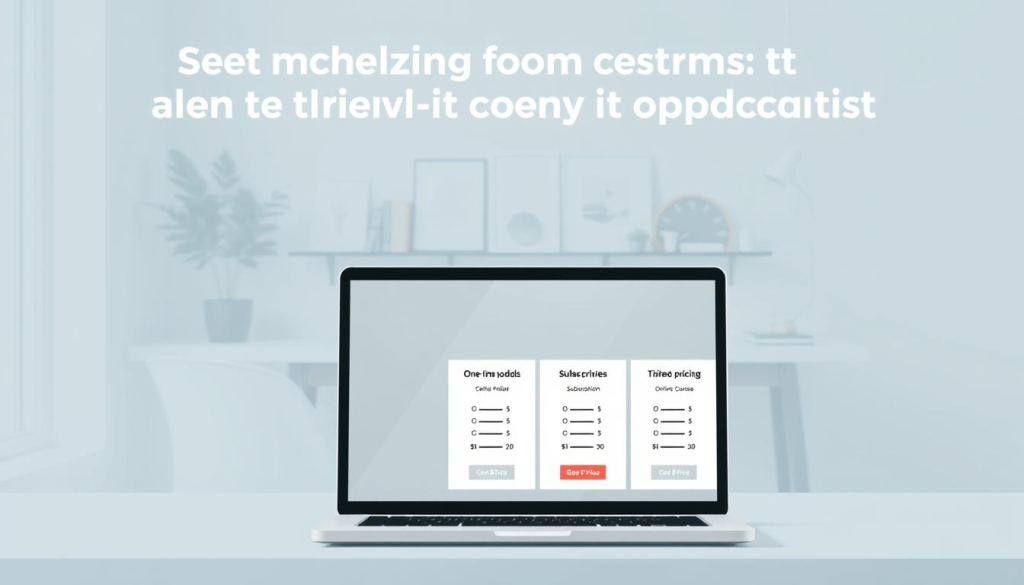
Offering different levels of your product at various prices can attract more people. You could have a basic version at a lower price and a premium version with more features at a higher price. This way, you can make more money by appealing to both those who want to save and those who are willing to spend more.
Limited-Time Offers and Podcast Listener Discounts
Creating special deals for your listeners can boost sales by creating a sense of urgency. Mentioning these deals in your podcast can encourage listeners to buy sooner. You can also offer special deals for your most loyal listeners.
Psychological Pricing Techniques That Work
Using psychological pricing, like pricing at $19.99 instead of $20, can make your products seem cheaper. Also, showing a higher “original” price next to a discounted price can make the sale price more attractive to buyers.
By using these pricing strategies, you can improve your digital product sales and increase your podcast income. Try different approaches to see what works best for your audience.
Setting Up Your Digital Product Sales System
Creating a solid digital product sales system is key for podcasters wanting to make money from their shows. A good sales system lets you sell digital products easily to your listeners.
Choosing the Right E-commerce Platform
Finding the right e-commerce platform is the first move. You have choices like Shopify, WooCommerce, and Gumroad. Each has special features for selling digital products.
Payment Processing Options
It’s important to add secure payment options. Stripe and PayPal are great for making payments smooth.
Automating Product Delivery
Automating digital product delivery makes customers happy. Most platforms work with tools for automation.
Creating a Seamless Customer Experience
Make sure your sales system is easy to use. Keep the checkout simple to avoid losing sales.
Legal Considerations for Digital Product Sales
Don’t forget about the legal side. You need to think about taxes and refund policies. Get advice from a lawyer to follow all the rules.
| E-commerce Platform | Payment Gateway | Automation Features |
|---|---|---|
| Shopify | Stripe, PayPal | Yes |
| WooCommerce | Stripe, PayPal | Yes |
| Gumroad | Stripe | Yes |
Promoting Digital Products Within Your Podcast Episodes
To make more money from your podcast, it’s key to promote your digital products well. You need a smart plan to grab your audience’s attention and sell more.
Crafting Effective Calls-to-Action
A good call-to-action (CTA) is vital to turn listeners into buyers. Use a clear CTA, like “Get your free guide now by visiting our website.” Repeat your CTA often to keep the message strong.
Strategic Placement of Product Mentions
Strategically mentioning your digital products in your podcast can boost their visibility. You can talk about them in the intro or mix them into your content. For instance, say, “As we talked about in our latest episode, check out our ebook for more info.”
Creating Special Episodes Around Your Products
Make special episodes just for your digital products to get people excited. As
“The best marketing is done by those who understand that the best way to get attention is to give it.”
Special episodes can help you get noticed.
Using Show Notes and Transcripts for Product Links
Put links to your digital products in your podcast’s show notes and transcripts. This makes it simple for listeners to find your products. Make sure these links are easy to find and see.
By using these tactics, you can promote your digital products well in your podcast. This will help increase your sales.
Building Landing Pages That Convert Podcast Listeners
A well-crafted landing page is key to turning your podcast listeners into customers. You need to know the important parts that make a landing page work for your podcast fans.
Essential Elements of a High-Converting Landing Page
A top-notch landing page for your podcast should have a clear headline. It should also have a brief description of your digital product and a big call-to-action (CTA). Adding social proof like customer testimonials can really help increase sales.
Make sure your landing page looks good and matches your podcast’s style. Adding high-quality images or videos can show off your product well.
Using Podcast-Specific URLs and Tracking
Creating podcast-specific URLs helps track your landing page’s success. Use UTM parameters to see where your traffic comes from and how listeners behave.
This info is super helpful for making your landing page better and getting more sales over time.
Mobile Optimization for Podcast Listeners
Many podcast listeners use mobile devices to access content. So, it’s important to make sure your landing page works well on mobile. Optimize images, use a responsive design, and make navigation easy to improve the mobile experience.
Incorporating Audio Testimonials and Samples
Adding audio testimonials or samples to your landing page can make it more believable and engaging. This is especially good for digital products that fit with your podcast.
By using these tips, you can make a landing page that turns your podcast listeners into buyers. This will help increase your direct sales and grow your spot in the creator economy.
Advanced Podcast Monetization Strategies with Digital Products
Advanced podcast monetization strategies can change the game for creators. By selling digital products, you can increase your income. This is done by diversifying your revenue and using your audience to your advantage.
To achieve this, consider the following strategies:
Creating Product Bundles and Membership Options
Offering bundled products or membership options can boost your sales. For example, you can bundle an ebook with a related template or worksheet. This gives your listeners a complete solution.
Implementing Affiliate Programs for Your Products
Affiliate programs let you work with other creators or influencers. They can promote your digital products to their followers. This expands your reach and drives sales through targeted marketing.
Collaborating with Other Podcasters for Cross-Promotion
Working with other podcasters can open up new audiences. You can promote each other’s digital products. This boosts your visibility and credibility.
Using Email Marketing to Nurture Leads and Drive Sales
Email marketing is key for nurturing leads and sales. By building an email list and sending targeted campaigns, you can promote your products. This drives conversions.
Leveraging Social Proof from Listener Success Stories
Sharing success stories from listeners can build trust. Use these testimonials in your marketing to show the value of your products.
By using these advanced strategies, you can increase your podcast income. You can create a sustainable business model around digital products.
Conclusion: Taking Your Podcast Income to the Next Level
Selling digital products from your podcast can really change the game. It’s a smart way to make more money. By using your audience’s trust, you can earn a lot through direct sales.
The creator economy is booming, and podcasters can make the most of it. By making digital products that your listeners love, you can increase your income. Plus, you’ll get closer to your audience.
It’s time to get started. Think about what your podcast is about and what your listeners need. Then, come up with ideas for your first digital product. With the right plan, you can make your podcast more profitable and build a dedicated fan base.