
As a podcaster, I’m always searching for new ways to make money. The world of podcast monetization is growing fast. Creators are looking for fresh ideas to support their shows.
I’m excited to check out direct listener support models that aren’t just Patreon. Using alternative platforms can help podcasters create a stronger, more interactive community.
In this article, I’ll share my thoughts on why direct listener support is key. I’ll also give you a detailed guide on Patreon alternatives.
Key Takeaways
- Discover new direct listener support models beyond Patreon.
- Learn how to diversify your revenue streams as a podcaster.
- Explore alternative platforms for supporting your podcast.
- Understand the importance of building a sustainable community around your content.
- Get insights on the current state of podcast monetization.
The Current State of Podcast Monetization
The global podcasting market is booming, hitting $23.56 billion in 2024. Creators are now looking into new ways to make money. The old advertising model is being replaced by better, more creator-friendly options.
From Advertising-Dependent to Creator-Owned Revenue
The move from relying on ads to creator-owned models is changing the game. Direct listener support is becoming a hit. It lets creators keep control over their work and earnings.
Why Direct Support Models Are Transforming Podcasting
Direct support models are changing podcasting for the better. They build listener loyalty and bring financial security.
Listener Loyalty and Engagement Benefits
Creators can connect directly with their fans. This builds a loyal following. Such loyalty means consistent support and word of mouth.
Financial Stability Advantages
Direct listener support brings financial stability. It offers a steady income, unlike ads.
Understanding Direct Listener Support Fundamentals
As podcasting grows, knowing about direct listener support is key. It’s a crucial way for creators to keep making content.
The Psychology Behind Why Listeners Pay
Listeners pay when they really connect with the content and creators. This connection comes from the value they get from listening.
Value Exchange: Content for Contribution
The idea of value exchange is at the heart of direct listener support. Listeners give money for the value they get from the content. This creates a community feeling and support for each other.
Reciprocity Principle in Action
The reciprocity principle is big in listener support. When creators offer great content, listeners want to give back, often with money. This is seen on sites like Patreon, where fans support their favorite creators.
Creators can use these basics to get more listener support. This helps build a strong and involved community.
Why Creators Are Looking Beyond Patreon
As podcasting grows, creators are looking for new ways to support their work. Patreon has been a big help, but its fees and limits are pushing some to find other paths.
Fee Structures and Revenue Share Concerns
Patreon takes a 5% cut, plus extra fees for payment processing. This can leave creators with less money. For example, if a podcaster gets $100 in support, they might only get $90 after fees. This has led some to look for alternative platforms with better deals.
Platform Limitations for Audio-First Creators
Patreon is good for many types of creators, but not just audio-first ones. Podcasters often find it doesn’t meet their needs, like easy integration with hosting or distribution.
Content Ownership and Control Issues
Creators worry about content ownership and control on third-party platforms. Using Patreon means they have to follow the platform’s rules, which might limit their creativity.
In short, while Patreon has helped many, its limitations are pushing creators to seek better options. They want more control and fairer revenue sharing.
Comprehensive Guide to Alternative Support Platforms
Podcasters are looking for new ways to get support, not just crowdfunding. Ko-fi, Buy Me a Coffee, and Memberful are becoming popular. They let creators get direct support from listeners, meeting different needs and tastes.
Ko-fi: Simplicity and Low Fees
Ko-fi makes it easy for creators to get small donations from fans. It has low fees and is easy to set up, making it a great choice for podcasters.
Setting Up Your Ko-fi Page
To start a Ko-fi page, create an account on their site. Add a profile picture, cover image, and a brief about your podcast. Then, share your Ko-fi link on social media and in your podcast episodes.
Buy Me a Coffee: Casual Support Interface
Buy Me a Coffee is a fun way for fans to support their favorite creators. It lets fans give one-time tips or ongoing support.
Implementing Buy Me a Coffee Links
Sign up on Buy Me a Coffee and add their link to your podcast’s description or episodes. You can also set up rewards for supporters to encourage more contributions.
Memberful: Complete Membership Solution
Memberful offers a full membership solution for creators. It’s great for podcasters wanting to start a membership program.
Integrating Memberful with Your Podcast
To use Memberful, sign up and link it to your podcast’s RSS feed. This lets you offer exclusive content to members.
| Platform | Fees | Key Features |
|---|---|---|
| Ko-fi | 0% fees on tips | Simple, low-commitment support |
| Buy Me a Coffee | 5% fees on earnings | Casual tipping, recurring support |
| Memberful | 10% fees on memberships | Comprehensive membership solutions |
Creating Your Own Podcast Membership Site
Podcasters can connect more closely with their listeners through a membership site. It lets them share special content, create a community, and earn money from their most loyal fans.
WordPress Solutions
WordPress has great options for membership sites with plugins like MemberPress and Paid Memberships Pro. These tools help podcasters set up different membership levels, manage content, and handle payments easily.
Standalone Options
Platforms like Substack and Ghost are simpler to use for membership sites. They have built-in tools for managing content but might not offer as much customization.
Technical Considerations
Setting up a membership site requires some tech know-how. You need to pick the right hosting, ensure secure payments, and have a good way to share content. Choosing a reliable platform that’s easy to use is key.
Whether to use WordPress or a standalone platform depends on your tech skills, how much control you want, and your podcast’s needs.
Designing Tiered Memberships That Convert
To increase revenue and listener engagement, podcasters should create tiered memberships. These should cater to different audience segments. This means offering various benefits to appeal to a wide range of listeners.
Entry-Level Support Tier Strategies
An entry-level tier should be easy to access and appealing to new listeners. Consider offering:
- Exclusive behind-the-scenes content to give supporters a deeper look into your podcast’s creation process.
- Early access to new episodes or bonus content to make supporters feel valued.
- A welcome package with personalized thank-you messages or exclusive digital content.
Mid-Tier Value Proposition Development
The mid-tier should offer more substantial benefits to justify a higher price point. Strategies include:
- Providing ad-free episodes or exclusive content series that enhance the listening experience.
- Creating a private community or forum where supporters can interact with each other and with you.
- Offering discounts on merchandise or events to make the tier more appealing.
Premium Supporter Experiences That Justify Higher Prices
For premium tiers, the experience should be significantly enhanced. Consider:
- One-on-one interactions or Q&A sessions with you, the podcaster.
- VIP access to live events, recordings, or meet-and-greets.
- A personalized thank-you video or message to make supporters feel appreciated.
Case Studies of Successful Podcast Tiers
Let’s look at successful podcasts that have implemented tiered memberships effectively. For instance, The Joe Rogan Experience offers multiple tiers on their platform. Benefits range from exclusive episodes to personalized video messages. Another example is The Tim Ferriss Show, which provides ad-free content and access to exclusive communities for higher-tier supporters.
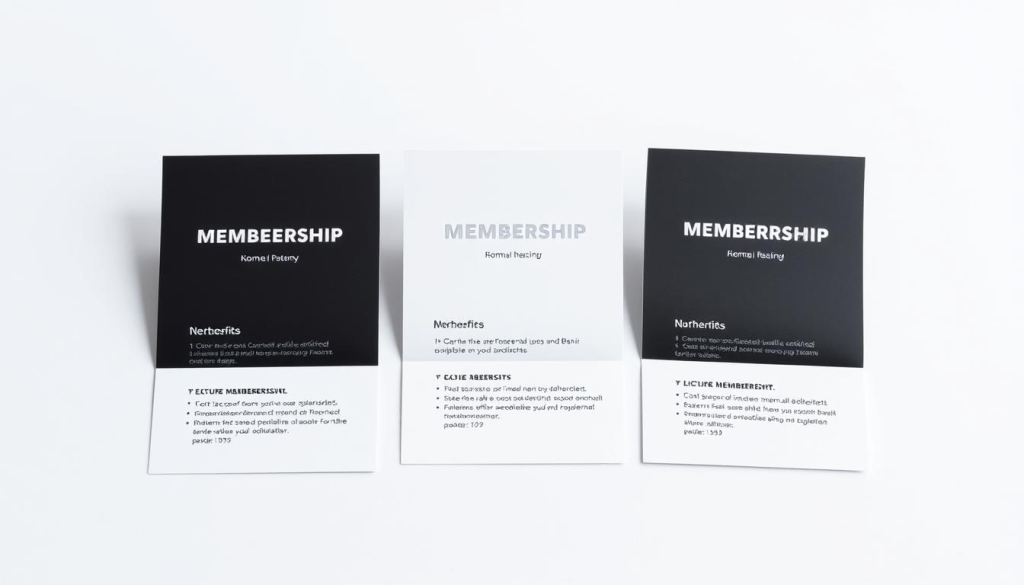
By understanding your audience’s needs and preferences, you can design tiered memberships. These not only convert listeners into paying supporters but also foster a loyal community around your podcast.
Developing Compelling Supporter Benefits
To build a loyal listener base, podcasters need to offer great benefits. Exclusive content and community access can boost subscriptions and loyalty.
Exclusive Content That Drives Subscriptions
Attracting supporters starts with exclusive content not found elsewhere. This can include:
- Bonus episodes or extended content
- Behind-the-scenes looks at how the podcast is made
- Early access to new episodes
A survey found that “68% of podcast listeners are more likely to support a podcast if it offers exclusive content”
“The key to retaining listeners is to provide them with a reason to stay engaged.”
Community Access and Engagement Opportunities
Building a community is key to keeping supporters. This can be done by:
- Hosting live Q&A sessions or discussions
- Creating a private Facebook group or Discord server
- Encouraging supporter interactions through social media
Balancing Physical and Digital Rewards
Digital rewards are easy, but physical ones offer a real connection. Consider offering:
| Reward Type | Digital | Physical |
|---|---|---|
| Exclusive Episodes | Available | Not Available |
| Merchandise | Not Available | Available |
Low-Effort, High-Value Benefit Ideas
Creating benefits doesn’t have to be hard. Some low-effort, high-value ideas include:
- Personalized thank-you messages
- Supporter-only shoutouts
- Early access to episode transcripts
Technical Implementation of Podcast Monetization
Podcast monetization needs a solid technical base. This includes setting up private feeds, content delivery systems, and secure payment processing. For podcasters, understanding these technical parts is key to earning more than just from ads.
Private Feed Setup and Management
Private RSS feeds are vital for sharing special content with supporters. You need to create a secure feed that only supporters can access. Tools like Podcastmember and Memberful help manage these private feeds.
Content Delivery Systems for Supporters
Content delivery systems are crucial for smooth delivery of exclusive content. You might need to set up membership sites or use platforms that work with your podcast host. Efficient content delivery keeps supporters happy.
Payment Processing and Security Considerations
Secure payment processing is essential for making money. You should pick a payment gateway that’s trustworthy and meets security standards. Stripe and PayPal are top choices for creators.
Tools for Automating Supporter Management
Automation tools make managing supporters easier. Platforms like Memberful and Paid Memberships Pro offer features like automated emails and content restriction. As noted by
“Automation is not just about efficiency; it’s about creating a better experience for your supporters.” –
Marketing Your Support Model Effectively
Getting your podcast’s support model to work well depends on good marketing. You need to use many ways and strategies to reach and win over your audience.
Crafting Compelling In-Episode Pitches
In-episode pitches are a great way to promote your support model. Talk about the good stuff you offer, like special content or early access. Always tell your listeners what to do next.
For instance, say, “Support us on Patreon and get cool behind-the-scenes stuff.” Be real and heartfelt.
Social Media and Email Campaigns That Convert
Using social media and email can really help your support model shine. Post stuff that shows why supporting your podcast is worth it.
- Post things that show off what supporters get.
- Send out newsletters with updates and special content for supporters.
Turning Casual Listeners into Paying Supporters
To turn casual fans into supporters, you need to connect with them. Offer cool stuff like exclusive content or swag for support.
Timing and Frequency of Support Requests
When and how often you ask for support matters a lot. Try different times, like right after an episode or in a special support episode.
| Timing | Conversion Rate |
|---|---|
| End of Episode | 2.5% |
| Dedicated Support Episode | 5% |
As Rebecca, a successful podcaster, says, “A good support model needs regular updates and thanks to your fans.”
“Being consistent and thankful keeps your fans loyal.”
Building and Nurturing Your Supporter Community
As a podcaster, building a strong supporter base is key. It’s not just about money; it’s about having people who truly care about your show. They become your biggest fans and help spread the word.
Fulfillment Workflows That Scale
Keeping your supporters happy means having smooth fulfillment workflows. This means delivering rewards and special content on time. As your community grows, your systems should too, keeping everyone happy.
Listener Relationship Management Strategies
Good listener relationship management builds trust and loyalty. It’s about talking to your fans, listening to their feedback, and saying thank you. This makes them feel valued and important.
Sustainable Growth Without Creator Burnout
To grow without burning out, plan carefully and manage your community well. Set achievable goals and use community management tools to help. Remember, taking care of yourself is just as important.
Community Management Tools and Techniques
The right tools make managing your community easier. Use platforms for memberships, email marketing, and social media to keep things running smoothly. This helps you connect better with your fans.
Analyzing and Optimizing Your Support Model
To make your direct listener support model better, you need to analyze and optimize it often. This means tracking important performance indicators and making choices based on data. This way, you can boost your model’s effectiveness.
Essential Metrics to Track
To understand how well your support model is doing, you should watch certain metrics. These include subscription rates, listener retention, and average contribution amounts. By looking at these, you can spot where you need to get better and tweak your approach.
Gathering and Implementing Supporter Feedback
Feedback from your supporters is key to improving your support model. Talk to your listeners through surveys, comments, or messages. This helps you know what they want and need, guiding you to make better choices.
Testing and Refining Your Offerings
It’s important to keep testing and improving your support model. Try out different levels, perks, and prices to see what your audience likes best. This helps you stay ahead in the game.
When and How to Adjust Pricing
Changing your pricing should be a thoughtful decision. Look at your metrics and feedback to decide if you should increase prices or introduce new tiers. Regularly check your pricing to make sure it matches what your listeners expect and your podcast’s financial goals.
Conclusion: Building a Sustainable Podcast Business
To make a podcast business last, you need to find different ways to make money. Look beyond Patreon to other platforms. This helps your business stay strong financially.
Direct listener support is key. It lets you connect with your fans directly. This builds a loyal group that supports your work.
Platforms like Ko-fi and Memberful are great for making money from your podcast. Offer special content to those who pay. This not only brings in cash but also grows your fan base.
To keep your podcast going, always look to improve. Check your numbers and listen to what your fans say. This way, you can make your podcast even better for your listeners.
By following these steps, you can make your podcast a success. It will support your creative work for a long time.