

In today’s digital world, having a strong personal brand is key for anyone looking to stand out. It’s about showing who you are, what you believe in, and what you’re good at. Podcasting is a great way to do this, offering deep conversations and connections.
Podcasting lets you share your story and show off your skills. It helps you build a community around your brand. By using podcasts, you can become a leader in your field and gain a dedicated following. This mix of personal branding and podcasting is a strong way to grow and get noticed.
Key Takeaways
- Personal branding is essential in the digital age.
- Podcasting is a powerful tool for building a personal brand.
- Establishing a strong personal brand can lead to increased visibility and opportunities.
- Podcasting allows for meaningful connections with your audience.
- A well-crafted personal brand can differentiate you in a crowded market.
The Power of Personal Branding in the Digital Age
In today’s digital world, personal branding is key for professionals wanting to stand out. How we show ourselves online greatly affects our career and growth.
What Makes a Strong Personal Brand
A strong personal brand has a few key parts. Consistency and being true to yourself are the most important.
Consistency Across Platforms
Keeping the same tone, look, and message on all social media is crucial. It makes your brand clear and avoids confusion. For example, using the same profile picture and bio everywhere helps create a unified image.
Authenticity and Unique Voice
Being real and having your own voice sets you apart. Your brand should show your values, passions, and what you’re good at. Authenticity builds trust and makes your brand more relatable and interesting.
Why Personal Branding Matters for Professionals Today
In today’s digital world, a strong personal brand can lead to new chances. This includes speaking gigs, business deals, and career boosts. It lets you show off your skills and be seen as an expert in your field.
Let’s look at how professionals with strong personal branding compare to those without:
| Characteristics | Strong Personal Branding | Lack of Personal Branding |
|---|---|---|
| Visibility | High visibility across platforms | Limited online presence |
| Credibility | Established as a thought leader | Struggles to gain recognition |
| Opportunities | Attracts new opportunities | Limited career growth |
Why Podcasting Is the Ultimate Personal Branding Tool
Podcasting is a powerful tool for personal branding. It combines intimacy and accessibility in a unique way. This medium lets people connect deeply with their audience, building trust and community. Let’s dive into why podcasting is great for personal branding.
The Intimate Nature of Audio Content
Audio content has a special edge over written or visual content. The human voice brings emotion and empathy that text can’t. This makes listeners feel closer to the speaker. This closeness is key for building a loyal audience and a strong personal brand.
Accessibility and Convenience for Your Audience
Podcasting is super accessible. People can listen while they’re on the go, working out, or doing chores. This makes it easy for podcasters to reach more people and stay in touch, no matter what they’re doing.
Long-Form Content That Showcases Your Expertise
Podcasting is perfect for sharing in-depth knowledge. It’s better than shorter formats for showing off your expertise. By sharing their knowledge, podcasters can become leaders in their field. This strengthens their personal brand.
| Podcasting Benefits | Description | Impact on Personal Brand |
|---|---|---|
| Intimacy | Creates a personal connection with the audience through the human voice. | Fosters loyalty and trust. |
| Accessibility | Allows listeners to consume content during various activities. | Increases reach and engagement. |
| Long-Form Content | Enables detailed discussions and showcases expertise. | Establishes authority and thought leadership. |
Podcasting can really boost your personal branding. It helps you connect personally, make content easy to access, and show off your skills. Podcasting is a flexible platform for building a strong, recognizable personal brand.
Getting Started: Creating Your Podcaster Identity
Starting your podcasting journey means defining your identity first. Your identity is not just about your thought leadership. It’s also about how you show yourself and your brand to the world.
To build a solid base, focus on these key points:
- Defining your unique value proposition
- Selecting a niche that matches your skills
- Creating your podcast’s visual and audio brand
Defining Your Unique Value Proposition
Your unique value proposition (UVP) makes you stand out. It’s a mix of your experiences, skills, and what you offer to listeners. To find your UVP, ask yourself:
- What topics do I love talking about?
- What do I know a lot about?
- What problems can I help solve for my listeners?
Selecting a Niche That Aligns With Your Expertise
Picking a niche you know well makes creating content easier. It also helps you show your thought leadership. Your niche should be specific but still allow for different content.
Crafting Your Podcast’s Visual and Audio Brand Elements
Your podcast’s brand elements are key for connecting with your audience. They include both visual and audio parts.
Logo and Cover Art Design
Your podcast’s logo and cover art are the first things listeners see. Make sure they are
Music and Sound Elements
The music and sound effects you pick can greatly affect the listener’s experience. They should match your brand’s mood and make listening better. Use royalty-free music or sound effects that fit your podcast’s vibe.
By carefully designing these elements, you’ll create a strong podcaster identity. This identity will connect with your audience.
Developing Content That Strengthens Your Personal Brand
Creating engaging content is key to a successful podcast for personal branding. A good podcast connects with its audience, building loyalty and trust. It’s not just about sharing your message; it’s about making a real connection.
Storytelling Techniques That Showcase Authenticity
Storytelling is a powerful tool for showing your true self in your podcast. Share personal stories, experiences, and lessons to connect with your audience. Using vivid descriptions and emotional connections makes your stories relatable and engaging.
By sharing personal experiences and real-life examples, you build a deeper connection with your listeners. This makes your brand more authentic and personal.
Planning Episodes That Highlight Your Thought Leadership
Plan your podcast episodes to showcase your expertise. This establishes you as a thought leader in your field. It’s important to stay current with trends and insights to offer valuable content.
A content calendar can help you plan your episodes effectively. Here’s an example:
| Episode Theme | Topic | Key Takeaways |
|---|---|---|
| Industry Trends | Latest developments in the industry | Insights into future trends, key players to watch |
| Expert Interviews | Interviews with industry experts | Valuable insights, best practices, and lessons learned |
| Case Studies | Real-life examples of successful strategies | Practical advice, challenges, and solutions |
Balancing Entertainment and Educational Value
It’s important to balance entertainment and education in your podcast. Your podcast should be both informative and enjoyable. Use storytelling, humor, and interactive elements to make it engaging.
For example, use humor to make complex topics easier to understand. Include interactive segments to keep your audience involved. This creates a dynamic and enjoyable listening experience, leading to a loyal audience.
Podcast Marketing Strategies That Amplify Your Brand
A good podcast marketing plan can really help your brand get noticed. It’s key to use many channels and tactics. These should not only promote your podcast but also boost your personal brand.
Leveraging Social Media to Promote Your Podcast
Social media is a great way to get your podcast out there. By making interesting content and using these platforms well, you can attract more listeners.
Creating Shareable Audiograms
Creating audiograms is a smart way to promote your podcast on social media. These short, visual clips of your podcast can grab people’s attention and make them want to listen.
Platform-Specific Promotion Tactics
Each social media site has its own special features and how people use it. Tailoring your promotion to fit each platform can help you reach more people and get more engagement.
Email Marketing and Newsletter Integration
Email marketing is still a strong way to promote your podcast to your subscribers. By linking your podcast to your newsletter, you can keep your audience coming back and build loyalty.
Collaborations and Guest Appearances
Working with other podcasters or being a guest on shows can grow your audience. These partnerships can introduce your brand to new listeners and open up chances for promoting each other’s work.
Using these strategies can really boost your brand through podcasting. The main thing is to stay consistent, connect with your audience, and keep improving your marketing to get the best results.
Building Authentic Connections With Your Audience
As a podcaster, making a real connection with your listeners is crucial. This connection turns casual fans into loyal followers and brand supporters.
Creating Community Around Your Podcast
To build a community, start a private Facebook group or a Slack channel. Here, listeners can talk to each other and to you. It boosts engagement and offers a place for feedback and support.
- Host live episodes or Q&A sessions to directly engage with your audience.
- Encourage listeners to share their stories or experiences related to your podcast’s theme.
- Feature listener feedback or stories in your episodes to make them feel valued.
Encouraging and Managing Listener Feedback
Handling feedback well is key to knowing what your audience likes. You can ask for feedback in:
- Directly asking for feedback during or at the end of your episodes.
- Creating a dedicated email address or survey for listener feedback.
- Engaging with your audience on social media to gather informal feedback.
Turning Listeners Into Brand Advocates
Listeners who connect deeply with your podcast are more likely to support your brand. To make this happen, focus on:
- Consistently delivering high-quality content that resonates with your audience.
- Recognizing and rewarding your loyal listeners, such as through shoutouts or exclusive content.
- Empowering your listeners by involving them in decision-making processes or asking for their input on future topics.
By using these strategies, you can create a dedicated community around your podcast. This boosts your personal brand and ensures lasting success.
Monetization Strategies That Align With Your Brand Values
As a podcaster, you might wonder how to make money without losing your brand’s integrity. The answer lies in choosing monetization strategies that boost your credibility and connect with your audience. This way, you can keep your podcast going and find new ways to grow.
Sponsorships and Advertising That Enhance Credibility
Working with the right sponsors can make your podcast more credible. It’s crucial to pick sponsors that share your values and target audience. For example, a podcast about eco-friendly living might partner with a brand that offers sustainable products. This ensures the sponsorship feels natural and keeps your listeners’ trust.
Some common sponsorship models include:
- Pre-roll ads that play before your main content
- Mid-roll ads integrated into the episode
- Post-roll ads that wrap up the episode
Creating Premium Content and Membership Models
Creating premium content or membership models can bring in extra money and thank your loyal listeners. This could be ad-free episodes, exclusive content, or early access to new episodes. Tools like Patreon or Memberful can help manage memberships and offer different rewards based on support levels.
Leveraging Your Podcast to Sell Your Products or Services
Your podcast can also be a great way to sell your products or services. By talking about them in a friendly way, you can show their value to your audience. For instance, a fitness podcast might talk about workouts using equipment sold by the host.
| Monetization Strategy | Description | Benefits |
|---|---|---|
| Sponsorships and Advertising | Partner with brands that align with your podcast’s niche | Enhanced credibility, revenue generation |
| Premium Content and Memberships | Offer exclusive content or ad-free episodes | Additional revenue stream, loyal community building |
| Selling Products or Services | Integrate your offerings into the podcast content | Converts listeners into customers, showcases product value |
By using these monetization strategies, you can make your podcast a successful business that supports your brand’s mission. The key is to keep your audience’s trust by aligning your monetization with their interests and needs.
Overcoming Common Podcasting Challenges
As a podcaster, you’ll face challenges that test your resolve and creativity. Building a strong podcaster brand means overcoming these hurdles while staying true to yourself and consistent.
One big challenge is keeping a regular schedule. To beat this, plan ahead and make a content calendar. It should list your upcoming episodes and topics.
Dealing With Inconsistent Production Schedules
To handle irregular schedules, try batching your episodes or having a stockpile of pre-recorded content. This way, you can keep your show consistent, even when life gets busy.
Managing Technical Difficulties
Technical problems can pop up and mess with your podcast’s quality. To avoid this, invest in good recording gear and software. Also, have a backup plan, like a second recording device.
Staying Motivated During Slow Growth Periods
Slow growth can be tough, but it’s a chance to improve your personal branding. Talk to your audience, ask for feedback, and try new content ideas. This can help you stay excited and motivated.
| Challenge | Solution | Benefit |
|---|---|---|
| Inconsistent Schedules | Batching Episodes | Maintains Consistency |
| Technical Difficulties | Reliable Equipment & Backup Plan | Ensures Quality |
| Slow Growth | Engage Audience & Refine Strategy | Reignites Passion & Drive |
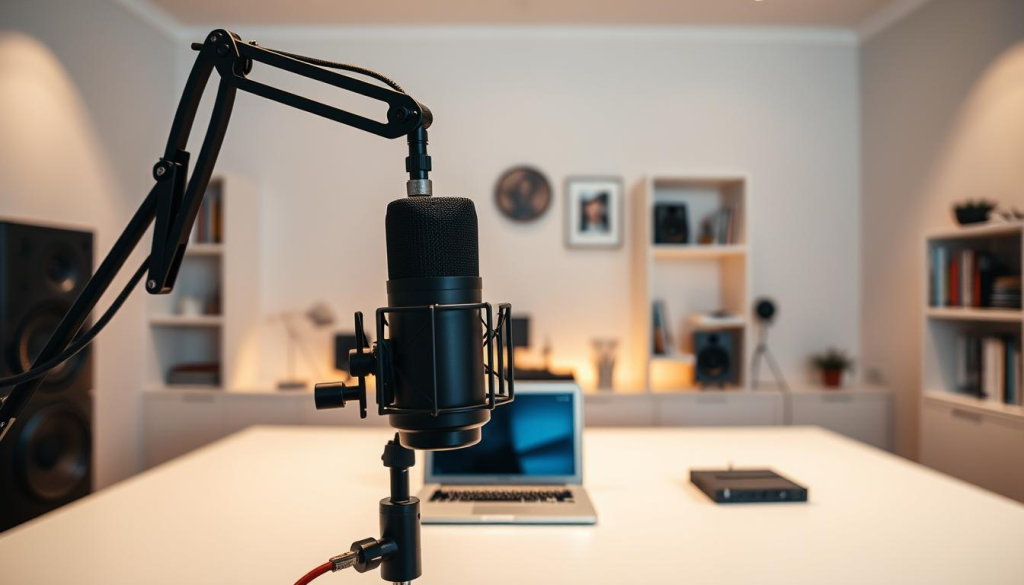
By tackling these common challenges, you can make your podcaster brand stronger. You’ll keep building a loyal audience with your authenticity and personal branding.
Conclusion: Your Podcast as Your Brand’s Greatest Asset
Building a strong personal brand through podcasting is a smart move for professionals today. Podcasts offer a unique chance to connect deeply with your audience. They let you share your expertise and build trust.
Podcast marketing is key to growing your brand. Use social media and email to reach more people. This helps you build a loyal fan base.
Creating a real audience connection is crucial. Be yourself, open, and listen to your listeners. This builds trust and loyalty, helping your brand grow over time.
Keep working on your podcast to reach your branding goals. Focus on quality, engage with your listeners, and stay up-to-date with podcast marketing trends. Your podcast can take your brand to new levels.