
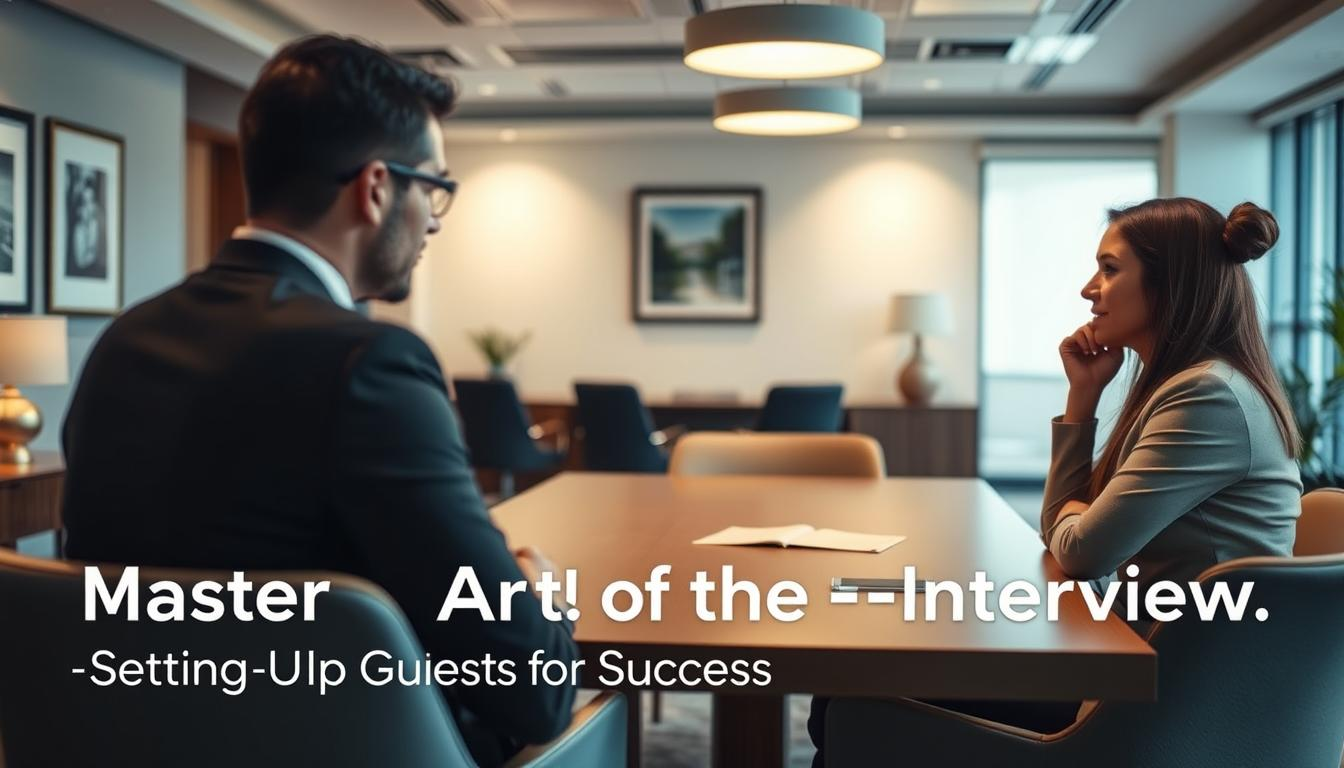
As a podcaster, you’ve probably faced those awkward moments of dead air or awkward silences during an interview. These pauses can make both the host and the guest feel uneasy. They can even disrupt the conversation flow.
Keeping the conversation smooth is key to engaging listeners and keeping them interested. In this article, we’ll look at ways to handle dead air and awkward silences. This will help make your conversations dynamic and engaging.
By learning these techniques, you can make your podcast more enjoyable. This will keep your audience coming back for more.
Key Takeaways
- Understanding the causes of dead air and awkward silences
- Strategies for handling uncomfortable pauses
- Techniques for maintaining a smooth conversation flow
- Tips for creating a more engaging listening experience
- Best practices for podcast interviews
The Psychology Behind Awkward Silences
Awkward silences in talks can be unsettling. But knowing why they happen can make them less scary. In podcast interviews, these silences can be especially tough.
Why We Fear Silence in Conversations
We fear silence because we crave connection and dread being rejected. When talks stop, our minds start to worry about bad outcomes. This makes the silence even more uncomfortable.
How Listeners Perceive Pauses
People see pauses differently, based on what they expect and the talk’s context. Some see them as a chance to think, while others find them awkward.
Cultural Differences in Silence Tolerance
Culture greatly affects how we see silence. For example:
- In some places, silence is a sign of deep thought or respect.
- In others, it’s seen as something that needs to be filled.
Why Dead Air Happens in Podcast Interviews
Dead air in podcast interviews comes from technical problems and quiet moments. Knowing why helps hosts keep the conversation flowing smoothly.
Common Causes of Conversation Lulls
There are a few reasons for quiet moments in interviews:
- Lack of preparation by the host or guest
- Uncomfortable or unfamiliar surroundings
- Difficulty in finding common ground or topics of interest
Knowing these reasons helps hosts prepare and avoid them.
Technical Issues That Create Silence
Technical issues are a big reason for dead air. Some common problems include:
- Poor internet connectivity, especially in remote interviews
- Equipment failure, such as microphone or headphone malfunctions
- Software glitches or compatibility issues
Having a backup plan and knowing your equipment can help avoid these problems.
Remote vs. In-Person Interview Challenges
The type of interview, whether remote or in-person, affects dead air. Remote interviews face technical issues and lack of body language. In-person interviews might deal with distractions or discomfort. Knowing these challenges helps hosts adjust their approach.
Pre-Interview Preparation to Prevent Dead Air
Getting ready for a podcast interview is crucial. As a host, I know that the moments before we start are just as key as the chat itself.
To start, research techniques for hosts are vital. I thoroughly research my guest’s background, work, and recent achievements. This helps me ask better questions and shows respect for their time and knowledge.
Research Techniques for Hosts
Good research means looking into the guest’s past interviews, articles, and projects. I also check their social media to understand their current interests and views.
Preparing Your Guest for a Smooth Conversation
It’s important to prepare your guest too. I send them a brief on the topics we’ll discuss and some info about the podcast’s format and tone. This makes them feel more at ease and ready for the chat.
Creating a Flexible Question Framework
A flexible question framework is key for a natural conversation flow. I have a list of questions ready, but I’m open to changing them if the conversation goes in an interesting direction.
The Power of Pre-Interview Questionnaires
Pre-interview questionnaires are super helpful. I ask guests to fill out a short form that gives me insights into their experiences and opinions. This helps me tailor my questions and understand their perspective better.
Here’s how I prepare for a podcast interview:
| Preparation Step | Description | Benefits |
|---|---|---|
| Research Guest Background | Review guest’s work, recent achievements, and previous interviews. | Helps craft relevant questions and shows respect for the guest. |
| Send Pre-Interview Info | Overview of topics and podcast format. | Makes the guest feel comfortable and prepared. |
| Prepare Flexible Questions | List of questions with room for improvisation. | Allows the conversation to flow naturally. |
| Use Pre-Interview Questionnaire | Gain insights into guest’s experiences and opinions. | Tailors questions and understands the guest’s perspective. |
By following these steps, I can ensure a smooth and engaging podcast interview. This way, we avoid dead air and make the experience enjoyable for listeners.
Crafting Questions That Keep the Conversation Flowing
Creating the right questions is key for a smooth interview flow. The way you ask questions can greatly affect your podcast’s engagement.
Open-Ended vs. Closed Questions
It’s important to know the difference between open-ended and closed questions. Open-ended questions lead to detailed answers. Closed questions usually get short, simple answers. For example, “What inspired you to start your business?” is more engaging than “Did you start your business out of passion?”
Follow-Up Question Strategies
Good follow-up question strategies can really improve the conversation. After an answer, I often ask more with questions like “That’s fascinating, can you tell me more about that?” or “How did that experience shape your current perspective?”
Using “Bridge” Questions During Topic Transitions
Bridge questions make moving between topics easy. For example, “Speaking of [previous topic], how does it relate to [new topic]?” is a natural way to move on, keeping the interview flow smooth.
The Art of Successful Podcast Interviews: Active Listening Techniques
Active listening makes a podcast interview stand out. It means really focusing on what your guest says. This way, you can respond well and guide the talk in interesting ways.
This skill is key for a smooth flow and connecting with listeners.
Verbal Acknowledgment Cues
Verbal cues are crucial in podcast interviews. They show your guest you’re paying attention and following their story. Saying “That’s interesting,” “I see,” or “Tell me more” keeps the talk going.
These cues not only show you’re listening but also prompt your guest to share more.
Body Language in Audio-Only Formats
Body language matters even when you can’t see it in audio-only formats. Good posture and gestures help you stay engaged and show enthusiasm through your voice. It’s about using non-verbal cues to improve your voice.
Note-Taking Without Losing Focus
Good note-taking is key during podcast interviews. It lets you remember important points and ask more questions. The trick is to do this without losing focus on the conversation.
Digital vs. Analog Note-Taking Methods
Digital and analog note-taking have their benefits. Digital tools are easy to edit and quick to access. Analog methods offer a hands-on experience and help you stay present. Try both to see what works best for you.
Some hosts mix both methods for the best results.
Using these active listening techniques in your podcast interviews makes your conversations more engaging and dynamic. This will resonate with your audience.
Real-Time Strategies for Handling Unexpected Silences
In a podcast interview, sudden silences can be tricky. As a host, you need quick thinking and preparation. It’s key to have strategies to manage these awkward moments and keep the conversation going.
Redirecting Techniques When Answers Fall Flat
When a guest’s answer doesn’t quite work, you need redirecting techniques. Ask follow-up questions that dive deeper into the topic. Or, pivot to a related area of discussion. This helps steer the conversation back on track and keeps listeners engaged.

Using Silence Strategically
It might seem odd, but using silence strategically is powerful. A brief pause can let you and your guest think. This might lead to a more meaningful or insightful response.
Emergency Topic Pivots
At times, you might need to make an emergency topic pivot. Having backup topics or questions can save the conversation.
Prepared Backup Questions and Anecdotes
To make effective emergency topic pivots, have prepared backup questions and anecdotes. They should fit the podcast’s theme but offer a new direction. Being prepared lets you smoothly move to a new topic, keeping listeners interested.
Building Conversational Rhythm with Different Guest Types
Creating a natural flow in conversations is crucial for keeping listeners engaged. As a podcast host, it’s important to adjust to each guest’s unique style. This ensures a smooth and enjoyable chat.
Working with Overly Talkative Guests
Handling guests who talk a lot requires finding a balance. It’s important to let them share but also keep the conversation moving. Gently interjecting with questions or changing topics can keep the flow going.
Using phrases like “That’s fascinating, can you tell me more about…” or “How does that relate to…” can steer the conversation. This way, you avoid interrupting too much.
Drawing Out Shy or Reserved Interviewees
Shy guests need a different approach. Creating a welcoming and non-threatening space is key. Open-ended questions can help them open up.
Active listening and acknowledging their words also makes them feel more comfortable. Saying “I’m really interested in your perspective” or “Can you elaborate on that?” can encourage them to share more.
Managing Technical Experts Who Use Jargon
Technical experts can be challenging due to their specialized language. To handle this, hosts should research the topic before the interview. This helps them understand the key concepts.
During the interview, asking for clarification on complex terms can help. Relating them to familiar concepts makes the content more accessible. For example, asking “Can you explain that in simpler terms?” or “How does that apply to our listeners?” can help bridge the gap.
By using these strategies, hosts can create a conversational rhythm that engages listeners. This makes the podcast more enjoyable and relatable for everyone.
Non-Verbal Communication in Audio Formats
Podcast hosts use their voice to show emotions and connect with listeners when they can’t use visual cues. In audio, non-verbal communication is key. It’s about making a bond through voice tone, pace, and sound.
Creating Connection Without Visual Cues
To connect with your audience without seeing them, focus on your vocal tone and pacing. A warm and inviting tone makes listeners feel at ease. You can do this by:
- Using inflections to highlight your words
- Changing your pace to keep things interesting
- Pausing to let listeners soak in what’s being said
Reading Vocal Tone and Pacing
It’s important to understand your guest’s vocal tone and pacing in audio-only formats. This helps you match their mood and adjust your answers. For example, if your guest seems unsure or nervous, you can use supportive words to help them relax.
Signaling Engagement Through Sound
Showing you’re engaged through sound is crucial to keep listeners interested. You can use different audio cues to show you’re listening and involved. Some ways include:
- Using verbal nods like “uh-huh” or “I see”
- Creating a space for thoughtful pauses
- Using a range of tones to show excitement or empathy
Post-Production Solutions for Awkward Silences
Editing a podcast to remove or minimize awkward silences needs careful thought. It’s important to keep the conversation’s natural flow. Good post-production techniques can make awkward silences seem seamless, improving the listener’s experience.
Editing Techniques for Natural-Sounding Conversations
Editors use different techniques to make conversations sound natural. One way is cross-fading between audio clips for smooth transitions. Adjusting pause timing also helps create a natural rhythm.
When to Keep vs. Remove Pauses
Choosing whether to keep or remove pauses depends on the podcast’s context and tone. Pauses can add drama or let listeners absorb information. But, long silences should be edited out to keep the flow.
Adding Music or Sound Effects
Adding music or sound effects can make the podcast better. Background music can cover awkward silences. Sound effects help move between topics or segments.
Software Tools for Seamless Editing
Many software tools help with seamless editing. Here are a few:
| Software | Features |
|---|---|
| Adobe Audition | Multitrack editing, spectral repair |
| Audacity | Free, open-source, supports multiple formats |
| Pro Tools | Industry-standard, advanced editing features |
Practice Exercises to Improve Your Interview Flow
Effective podcast interviewing is a skill you can improve with practice and self-reflection. To get better at interviewing, it’s key to do regular exercises. These exercises should challenge you and help you grow as a host.
Solo Drills for Hosts
One great way to boost your interviewing skills is through solo drills. Try recording yourself asking questions on a topic you love, then respond as a guest would. This helps you work on your questioning and think about possible answers.
- Record a mock interview with yourself, switching between host and guest roles.
- Practice asking follow-up questions based on the responses you give as a guest.
- Try out different questioning styles, like open-ended or probing questions.
Partner Exercises for Conversation Agility
Partner exercises are a fun way to improve your interview skills. Find a colleague or friend to role-play as your guest.
- Do a mock interview, focusing on keeping the conversation natural.
- Switch roles and let your partner interview you, paying attention to how they handle it.
- Discuss what worked well and what needs work after the exercise.
Recording and Self-Critique Methods
Recording your interviews and critiquing them is very helpful. Listen to your recordings, analyze your performance, and find areas to improve.
| Aspect to Evaluate | Questions to Ask |
|---|---|
| Questioning Technique | Were my questions clear and relevant? Did I ask effective follow-ups? |
| Conversation Flow | Did the conversation feel natural? Were there any awkward silences or transitions? |
| Active Listening | Did I show engagement through verbal cues? Did I respond well to my guest’s answers? |
By adding these practice exercises to your routine, you’ll become more confident and skilled in podcast interviews. This will make your content more engaging and enjoyable for your listeners.
Learning from the Pros: Case Studies of Excellent Interviewers
Looking at how top podcast hosts work shows us how to handle awkward silences. It also teaches us how to make interviews more engaging. By studying their methods, we can get better at interviewing.
Techniques from Top Podcast Hosts
Great podcasters have certain tricks up their sleeves. They use active listening to really connect with their guests. This makes the conversation feel natural and encourages guests to share more.
Analyzing Successful Recovery Moments
When awkward silences happen, pros know how to turn things around. They use redirecting techniques to bring the conversation back to life. This might mean starting a new topic or asking a follow-up question.
How Professionals Use Silence as a Tool
Seasoned interviewers know that silence is a strong ally. They let pauses happen, giving guests time to think. This often leads to deeper and more thoughtful answers.
Conclusion: Embracing the Natural Flow of Conversation
When it comes to podcast interviews, handling “dead air” and awkward silences is key. Understanding the psychology behind these moments helps hosts create engaging content. By doing so, they can build a conversational rhythm that keeps listeners hooked.
We’ve looked at ways to prepare for interviews, ask effective questions, and use active listening. These skills help hosts keep the conversation flowing smoothly. By embracing the natural flow of talk, hosts make the listening experience more real and engaging.
Keep working on your hosting skills. Remember, practice is essential. Try out different strategies and don’t be scared to experiment. With practice, you’ll learn how to turn awkward silences into chances for deep connection with your guests and listeners.