

I’ve learned that using podcatcher features is key to getting more people to listen to your podcast. For example, Apple Podcasts’ “New & Noteworthy” section can really help your podcast get noticed.
To stand out in the crowded world of podcasting, it’s important to know how to use these features well. This way, you can grow your audience and reach more people.
Key Takeaways
- Understand how podcatcher features work to boost your podcast’s visibility.
- Leverage features like Apple Podcasts’ “New & Noteworthy” to increase discoverability.
- Optimize your podcast’s listing to attract new listeners.
- Utilize podcatcher features to stay competitive in the podcasting world.
- Maximize your podcast’s reach by understanding how to use podcatcher features effectively.
Understanding Podcatchers and Their Role in Podcast Discovery
Podcatchers are key in finding new podcasts. They are apps or services that let users subscribe to and manage podcasts. This makes them vital for podcasters.
What Are Podcatchers and Why They Matter
Podcatchers, or podcast aggregators, are software that gather and organize podcast content. They are important because they make it easy to find, subscribe to, and listen to podcasts. Well-known podcatchers include Apple Podcasts, Spotify, and Google Podcasts.
The Evolution of Podcast Discovery Features
Podcatchers have grown to offer many features for finding podcasts. These include:
- Curated lists, such as “New & Noteworthy”
- Personalized recommendations based on listening history
- Top charts and trending sections
- Search functionality with filters
How Listeners Use Podcatchers to Find New Content
Listeners use podcatchers to find new podcasts in different ways. They browse curated lists, search for topics or genres, and check out recommendations. By knowing how listeners use podcatchers, podcasters can make their content more discoverable.
The Power of Apple Podcasts’ “New & Noteworthy” Section
Apple Podcasts’ “New & Noteworthy” section is key for new podcasts to shine. It’s a top spot in the podcast world. Getting featured here can really boost a podcast’s visibility and popularity.
How “New & Noteworthy” Selection Works
The “New & Noteworthy” selection is a mix of human touch and tech analysis. Apple Podcasts looks at the podcast’s quality, how listeners engage, and its appeal. These are the main things they consider.
Key factors that influence the selection include:
- Engagement metrics, such as subscriptions and reviews
- Content quality and consistency
- Novelty and uniqueness of the podcast’s concept
Benefits of Getting Featured
Being in “New & Noteworthy” can really help a podcast. Here are some benefits:
| Benefit | Description |
|---|---|
| Increased Visibility | Being in “New & Noteworthy” brings the podcast to more people. |
| Boost in Listeners | Featured podcasts often get a lot more subscriptions. |
| Enhanced Credibility | Being featured makes the podcast more credible. It attracts more listeners and sponsors. |
Success Stories and Case Studies
Many podcasts have seen big success after being featured. For example, a podcast might see a significant increase in downloads and become a top show in its category.
“Getting featured in ‘New & Noteworthy’ was a turning point for our podcast. It helped us reach a wider audience and gain the traction we needed to sustain our show.”
Typical Duration of Featured Status
How long a podcast stays featured can vary. Usually, it’s a few weeks. But, it depends on listener engagement and other factors.
Key Podcatcher Platforms and Their Discovery Features
Major podcatcher platforms have features that help your podcast reach more people. Knowing these features is key to making your podcast more visible.
Apple Podcasts’ Curated Collections
Apple Podcasts is a big name in podcasting. Its “New & Noteworthy” section is a great spot for new podcasts. Apple Podcasts also has curated lists that can help your podcast reach more listeners. These lists focus on specific topics or genres.
Spotify’s Algorithm and Editorial Picks
Spotify uses a smart algorithm to suggest podcasts to users. It also highlights podcasts through editorial picks. Knowing how Spotify’s algorithm works can help you make your podcast more visible.
Google Podcasts’ Discovery Mechanisms
Google Podcasts works well with other Google services, making it easy for users to find new podcasts. It ranks podcasts based on user engagement and reviews.
Stitcher, Overcast, and Other Notable Platforms
Platforms like Stitcher and Overcast also have unique ways to help you get discovered. Stitcher has a “Staff Picks” section, and Overcast has a “Featured” section. Knowing these features can help you plan your promotion better.
| Platform | Discovery Feature | Description |
|---|---|---|
| Apple Podcasts | Curated Lists | Themed lists that help podcasts get discovered |
| Spotify | Algorithmic Recommendations | Recommendations based on user listening habits |
| Google Podcasts | User Engagement Signals | Rankings influenced by user engagement and reviews |
By learning about the discovery features of these major platforms, you can create a better plan to get your podcast seen more.
Optimizing Your Podcast for “New & Noteworthy” Consideration
To get your podcast noticed, you need a good plan. You must know what makes a podcast stand out to curators.
Timing Your Launch for Maximum Impact
When you launch your podcast matters a lot. Avoid launching when big podcasts are out because it’s too crowded. Launch when it’s less busy to really get noticed.
Creating a Launch Strategy with Multiple Episodes
Releasing multiple episodes at once is smart. It gives listeners lots to listen to and shows platforms you’re serious.
Maintaining Momentum Post-Launch
After you launch, keep going strong. Regular episodes keep your fans coming back and attract new ones.
Leveraging Your Existing Network
Use your friends and followers to help. Promote your podcast on social media and ask for reviews. This can really help you get noticed.
By using these tips, you can increase your podcast’s chances of being featured. This will help your podcast grow and reach more people.
Crafting Podcast Metadata That Attracts Algorithmic Attention
To get more listeners, podcasters need to make their metadata appealing to podcatcher algorithms. They should create titles, descriptions, and categories that match the content and appeal to the algorithms. This makes the podcast more visible.
Title Optimization Techniques
Getting your podcast title right is key to being found. A good title should be descriptive, concise, and include relevant keywords. It’s important to be creative but also clear, so it shows what your podcast is about and grabs attention.
Description Writing Best Practices
A great podcast description should give a clear idea of what your podcast is about. It’s a chance to show what makes your podcast special and draw in listeners. Keep it short, use engaging words, and include keywords naturally.
Category and Subcategory Selection Strategy
Picking the right category and subcategory is crucial for finding your audience. You should choose categories that match your podcast’s content and appeal to your listeners. Look at popular categories in your field to help decide.
Effective Keyword Implementation Without Keyword Stuffing
Keywords are important for people to find your podcast, but use them wisely. Avoid stuffing keywords by adding them naturally in your metadata. Use them in your title, description, and tags, but always keep it clear and easy to read.
| Metadata Element | Best Practices | Example |
|---|---|---|
| Title | Descriptive, concise, includes relevant keywords | “The Daily Tech News Podcast” |
| Description | Clear summary, engaging language, includes relevant keywords | “Stay up-to-date with the latest tech news. Our daily podcast covers the most important stories in the world of technology.” |
| Category/Subcategory | Accurately reflects content, popular within niche | Technology/Science |
Accelerating Podcast Growth Through Strategic Audience Engagement
As a podcaster, I’ve learned that engaging with your audience is key for success. Building a loyal listener base is more than just great content. It needs a strategic approach to audience engagement.
Encouraging Ratings and Reviews
Boosting your podcast’s visibility starts with ratings and reviews on Apple Podcasts. Positive reviews boost credibility and make your podcast easier to find. To get more ratings, ask listeners at the end of an episode or offer exclusive content.
Leveraging Social Proof
Social proof is vital for attracting new listeners. Sharing positive testimonials and listener stories builds community and credibility. Use social media, episode descriptions, or a segment for listener feedback.
Creating Share-Worthy Content
Creating content that resonates with your audience is crucial. Make episodes informative, entertaining, or inspiring. Include clear calls-to-action to make sharing easy.
Building Community Around Your Podcast
Building a community around your podcast fosters loyalty and engagement. Use social media groups, live events, or Q&A sessions. This creates a sense of belonging and keeps listeners coming back.
By using these strategies, you can grow your podcast and increase visibility on Apple Podcasts. This leads to a more successful and sustainable podcasting journey.
Technical Requirements for Optimal Podcatcher Performance
For your podcast to shine, focus on key technical areas. These can make a huge difference in your podcast’s success. You’ll learn how to boost your podcast’s visibility and reach more listeners.
Audio Quality Standards Across Platforms
High-quality audio is a must. Podcatchers have different standards, but aim for a bitrate of 128 kbps or more. I use high-quality recording equipment and noise reduction software to keep my podcasts clear and clean.
RSS Feed Optimization and Maintenance
An optimized RSS feed is key. I keep my feed up-to-date and correctly formatted, with all the right metadata. Regular updates help avoid technical problems that could hide my podcast from curated lists.
Cover Art Specifications and Best Practices
Cover art is crucial for grabbing listeners’ attention. I stick to the best practices, making sure it’s visually appealing and fits the podcatcher specs, like size and resolution.
Episode Duration Considerations for Different Genres
Episode length affects how your podcast is listed and recommended. I think about the genre and what listeners like when picking episode length. It’s all about finding the right balance between detail and keeping listeners engaged.
Understanding Podcatcher Algorithms and How They Drive Discovery
Podcatcher algorithms are crucial for finding new podcasts. They are complex systems that decide which podcasts show up on different platforms.
How Recommendation Engines Work
At the core of podcatcher algorithms are recommendation engines. They look at what you’ve listened to and what you like. This helps them suggest podcasts that might interest you.
They use advanced data analysis. This includes engagement signals and what users say about podcasts.
Engagement Signals That Algorithms Track
Algorithms watch how you interact with podcasts. They look at how many times you play them, if you finish them, and what you say about them. This helps figure out if a podcast is good and worth showing to others.
For example, podcasts that people finish often are seen as more engaging. So, they show up more in lists of recommended podcasts.
Platform-Specific Algorithm Differences
Each platform has its own way of choosing and showing podcasts. Apple Podcasts and Spotify, for example, have different methods. Knowing these differences helps podcasters get their shows seen more on different platforms.
Adapting to Algorithm Updates
Podcatcher algorithms change over time. To keep your podcast visible, you need to keep up with these changes. You might need to change your content, how you describe it, or how you engage with listeners.
By understanding and adapting to podcatcher algorithms, podcasters can reach more people. This makes their shows more discoverable and popular.
Leveraging Curated Lists and Featured Sections Beyond “New & Noteworthy”
Getting your podcast noticed beyond “New & Noteworthy” can really help. There are many ways to increase your podcast’s visibility. It’s all about exploring the right opportunities.
Seasonal and Topical Features
Podcatchers like Apple Podcasts have seasonal and topical lists. These highlight podcasts that match current events or holidays. For example, a podcast about summer might be in a “Summer Vibes” list. Make sure your podcast is timely and relevant.
Genre-Specific Collections
Genre-specific collections are another way to be discovered. By correctly categorizing your podcast and using the right keywords, you can get noticed. For instance, a true crime podcast might be in a “Top True Crime Podcasts” list.
Editorial Picks and How to Get Noticed
Editorial picks can really boost your visibility. To stand out, create high-quality content that listeners love. Also, encourage your audience to interact with your podcast. This can catch the eye of curators.
Cross-Platform Feature Opportunities
Don’t just stick to one platform. Look for opportunities to feature your podcast on different podcatchers like Spotify and Google Podcasts. This can help you reach more people and get noticed.
By using these curated lists and featured sections, you can really improve your podcast’s visibility. This will help attract new listeners to your show.
Analyzing Podcast Performance Metrics to Improve Discovery
To make your podcast more visible, it’s key to understand and analyze important metrics. This way, you can make smart choices to increase your podcast’s reach and engagement. We’ll look at why analyzing these metrics is important and how it can help your podcast get discovered.
Key Metrics to Monitor Across Platforms
It’s vital to track the right metrics to see how your podcast is doing. Some important ones include:
- Listener numbers and demographics
- Engagement metrics such as ratings and reviews
- Episode performance and drop-off points
- Subscriber growth rate
These metrics give you insights into what your audience likes and doesn’t like. This helps you improve your content and marketing plans.
Using Analytics to Refine Your Strategy
Analytics tools provide a lot of useful information to help you improve your podcast strategy. By looking at your metrics, you can:
- Find out what types of content work best
- Change your publishing schedule for better engagement
- Make your marketing more targeted to your audience
With these insights, you can make choices based on data to grow your podcast’s visibility.
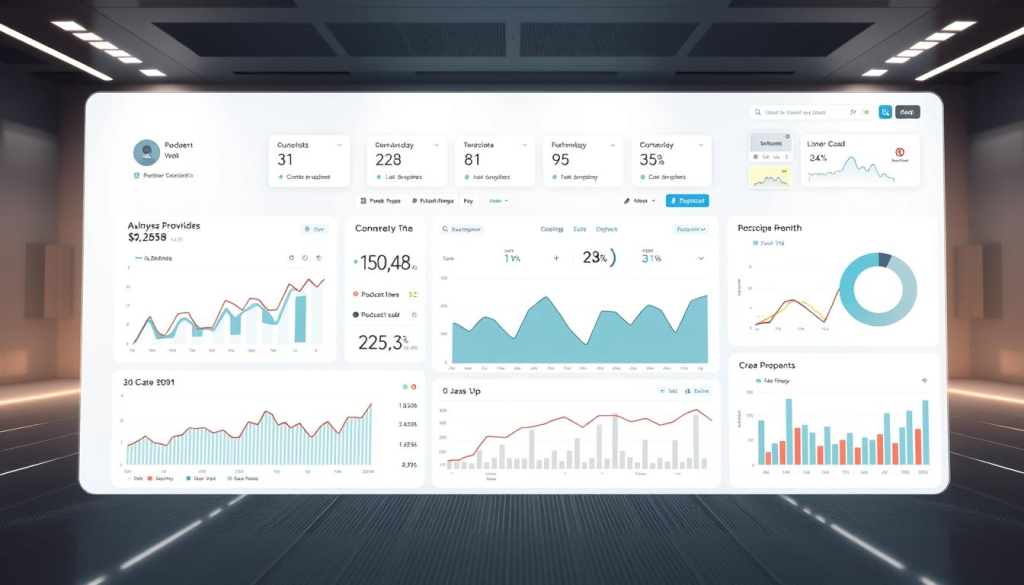
Tools for Tracking Podcast Growth
There are many tools to help you track your podcast’s growth and performance. Some popular ones are:
| Tool | Description | Key Features |
|---|---|---|
| Apple Podcasts Analytics | Provides insights into listener numbers and engagement | Listener demographics, episode performance |
| Spotify for Podcasters | Offers detailed analytics for Spotify listeners | Listener numbers, engagement metrics, demographic data |
| Google Podcasts Analytics | Tracks listener behavior and engagement on Google Podcasts | Listener numbers, episode performance, user behavior |
Setting Realistic Benchmarks for Success
It’s important to set realistic goals for your podcast’s success. By knowing industry averages and your own past data, you can set goals that are achievable. This keeps you motivated and helps you focus your efforts.
By keeping an eye on your podcast’s metrics and adjusting your strategy, you can boost your podcast’s discovery and growth. This includes getting featured in curated lists and podcatcher features.
Conclusion: Creating a Sustainable Podcast Growth Strategy
Reflecting on how to boost podcast discovery, it’s clear that a lasting growth plan is key. Using podcatcher features is a big part of this. By knowing how Apple Podcasts works, like with “New & Noteworthy,” you can get more eyes on your show.
To grow your podcast, focus on making the most of podcatcher features and curated lists. This means creating great metadata, sticking to a schedule, and talking to your listeners. This way, you’re more likely to get on curated lists, which can really help your show grow.
With these strategies and a clear focus, you can build a dedicated fan base. Using podcatcher features and curated lists well will help your podcast keep growing and thriving.